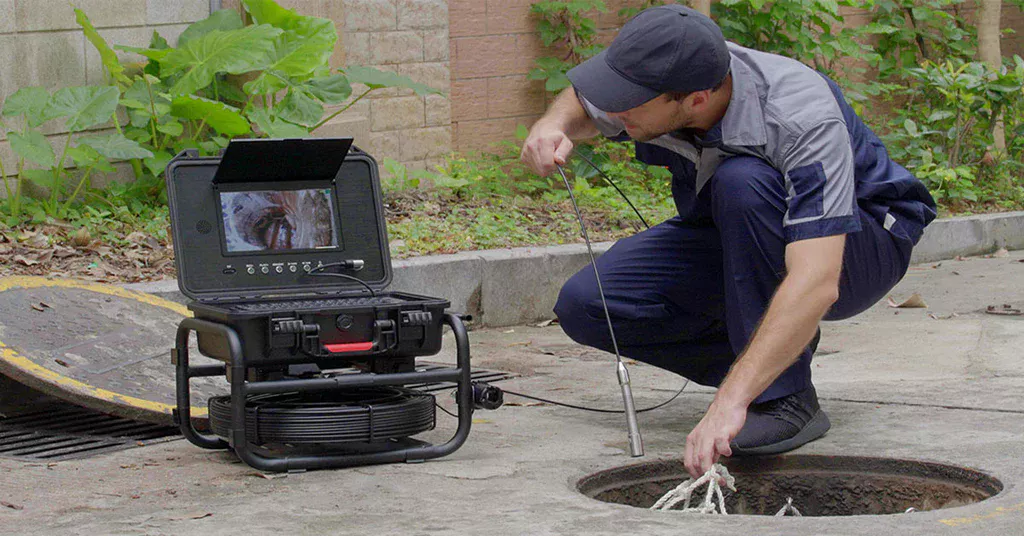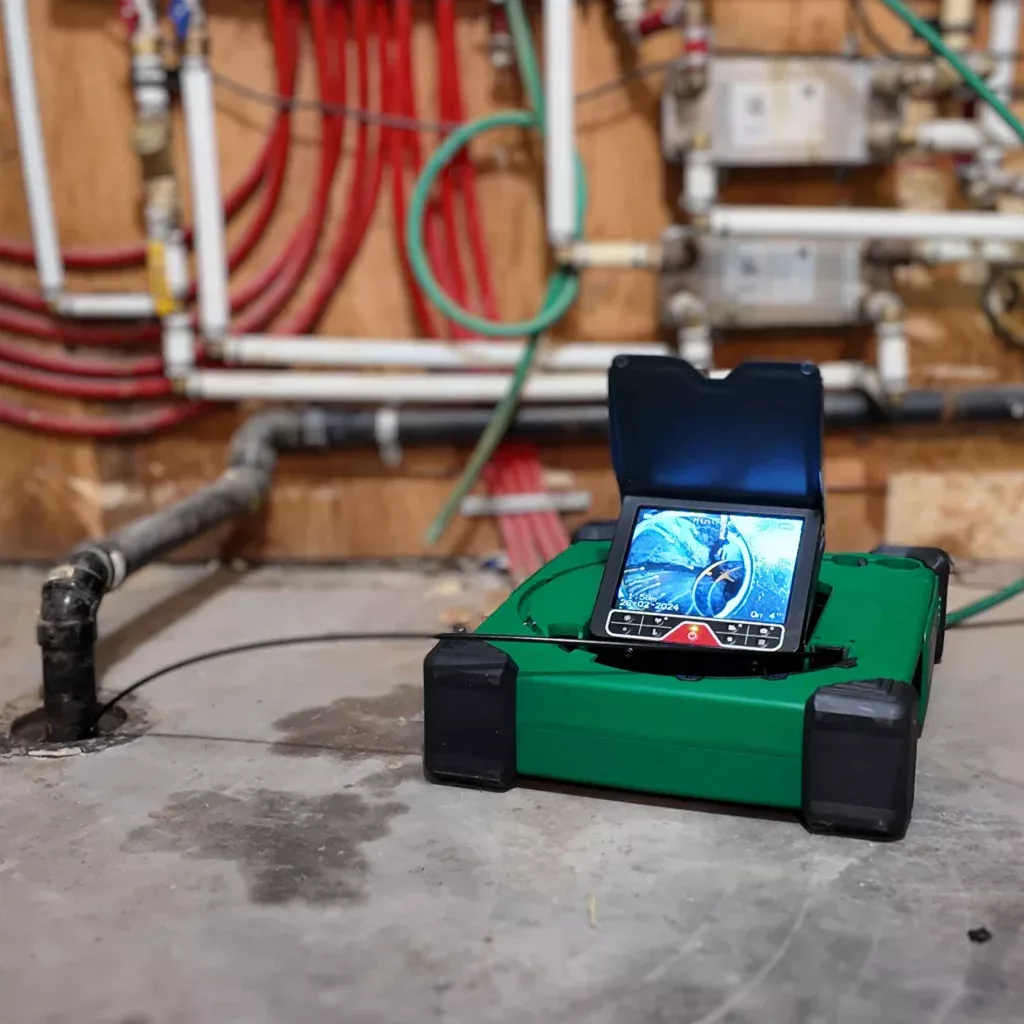

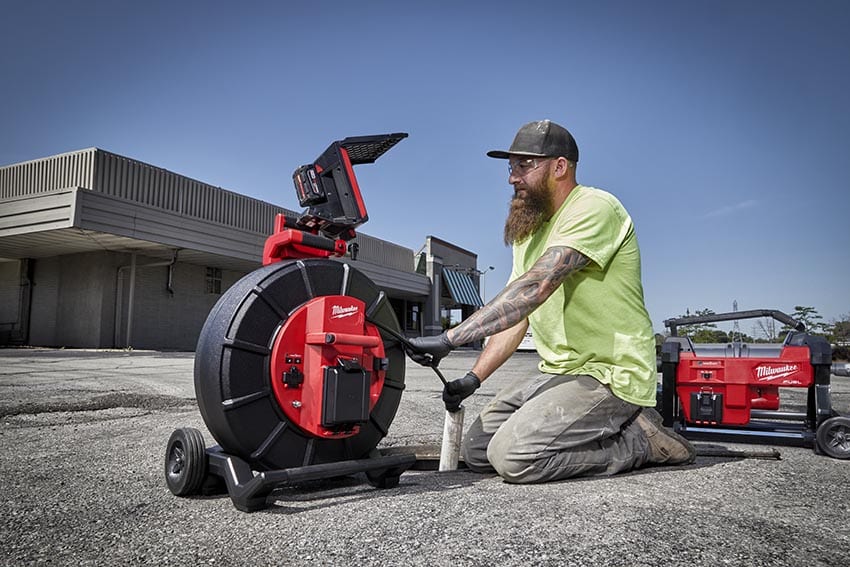
Plumbing contractors often reach a point where basic tools limit the size of jobs they can accept. Larger projects demand stronger diagnostics and clearer documentation. Pipe inspection camera rental gives contractors access to the technology needed to inspect lines, confirm damage, and support professional reporting. This capability often opens the door to higher value work that smaller tools cannot support.
Inspection cameras allow plumbers to verify blockages, locate structural failures, and document underground issues without guesswork. When contractors can show visual proof, they reduce disputes, strengthen estimates, and improve approval rates. Pipe inspection camera rental therefore becomes a business growth tool, not just a diagnostic device.
The Disaster Network helps contractors prepare for larger residential, commercial, and mitigation projects by supporting equipment coordination, documentation readiness, and structured project planning. This helps plumbers take on work that requires more than standard service tools.
Why Pipe Inspection Cameras Matter for Larger Plumbing Jobs
Small jobs rely on experience. Larger jobs require proof. Commercial clients, property managers, and insurance carriers often expect documented inspection results before approving work.
Pipe inspection cameras help contractors:
Confirm exact failure points
Locate collapsed or offset pipe sections
Provide recorded inspection footage
Reduce unnecessary excavation
Strengthen job proposals
This level of accuracy improves job approval speed and reduces costly mistakes.
Equipment Cost vs Rental Cost Comparison
| Equipment Type | Purchase Cost Range | Typical Rental Range | Best Use Case |
|---|---|---|---|
| Entry-level inspection camera | $3,000–$6,000 | $150–$300 per job | Occasional diagnostics |
| Mid-range commercial camera | $7,000–$12,000 | $300–$600 per job | Recurring larger jobs |
| High-end inspection system | $12,000–$20,000+ | $600–$900 per job | Large commercial work |
For many contractors, pipe inspection camera rental makes financial sense until inspection work becomes daily.
When Contractors Need Pipe Inspection Camera Rental
Many plumbers consider camera access when jobs grow beyond standard residential work. Larger systems require deeper inspection before repairs begin.
Common scenarios include:
Commercial sewer diagnostics
Insurance-related claims
Recurring blockage investigations
Large property maintenance contracts
Pre-construction inspections
Mitigation-related plumbing work
In these situations, documentation matters just as much as repair quality.
Job Value Comparison: With vs Without Camera Diagnostics
| Job Type | Avg Job Value Without Camera | Avg Job Value With Camera |
|---|---|---|
| Basic drain clearing | $250–$600 | $500–$1,200 |
| Residential sewer repair | $2,000–$4,000 | $4,000–$7,000 |
| Commercial pipe repair | $5,000–$10,000 | $8,000–$18,000 |
Camera diagnostics often help justify scope, which increases approved job size.
How Inspection Capability Helps Contractors Increase Revenue
The financial impact of proper diagnostics is often overlooked. Contractors who rely only on surface symptoms risk underbidding or misdiagnosing issues.
Pipe inspection camera rental supports revenue growth by helping contractors:
Improve estimate accuracy
Reduce missed damage
Provide proof to decision-makers
Increase trust with commercial clients
Reduce callbacks
Strengthen insurance documentation
Better diagnostics usually lead to better-paying work.
Equipment Capability vs Job Opportunity Expansion
| Contractor Capability | Typical Job Ceiling |
|---|---|
| Basic tools only | Small residential service calls |
| Camera diagnostics available | Residential sewer repairs, property managers |
| Camera + documentation readiness | Commercial projects, insurance jobs |
| Camera + mitigation oversight | Large-loss, multi-unit, or restoration work |
Each capability step opens access to higher value work.
Beyond Equipment: Preparing for Complex Jobs
Equipment alone does not guarantee success. Larger jobs require planning, documentation, and workflow structure. Many contractors struggle when stepping into insurance-related or mitigation work for the first time.
The Disaster Network helps contractors prepare for these situations by supporting equipment planning, mitigation guidance, and documentation awareness. This helps plumbers operate more professionally and avoid common mistakes on larger projects.
Because TDN works alongside credentialed professionals familiar with IICRC standards, ACAC CRMR expertise, and compliance expectations, contractors gain structured support that strengthens both execution and reporting.
Pipe Inspection as a Step Toward Commercial Work
Many plumbing companies want to move into commercial projects but are unsure how to begin. Often the transition starts with diagnostic capability. When contractors can inspect systems thoroughly and present clear findings, they become more competitive for larger opportunities.
Pipe inspection camera rental is frequently one of the first steps toward:
Commercial maintenance contracts
Insurance-supported repair work
Large residential developments
Mitigation-related plumbing jobs
Infrastructure service opportunities
With the right preparation and support, contractors can expand their job size gradually without major financial risk.
The Role of TDN in Supporting Growing Contractors
The Disaster Network focuses on helping contractors prepare for complex projects so they can operate with greater confidence. By assisting with equipment coordination, mitigation planning, and documentation awareness, TDN helps plumbers bridge the gap between smaller service calls and larger project opportunities.
Instead of navigating these challenges alone, contractors gain structured support that improves readiness and reduces uncertainty. This helps plumbers maintain professional standards while pursuing higher value work.
Moving Forward With Confidence
Pipe inspection camera rental is more than a diagnostic tool. It represents a shift toward stronger documentation, improved accuracy, and access to larger projects. Contractors who invest in better visibility into their work often find it easier to secure higher value jobs and build long-term relationships.
The Disaster Network helps contractors make that transition by providing preparation, coordination, and project support. When equipment access, documentation readiness, and professional guidance come together, contractors are better positioned to grow their business.
If you want to learn how The Disaster Network can help your team prepare for larger jobs, coordinate equipment needs, or improve project readiness, contact TDN today at 214-304-2119. Our office hours are Monday through Saturday, 7am to 7pm, with 24/7 emergency support available for urgent situations.