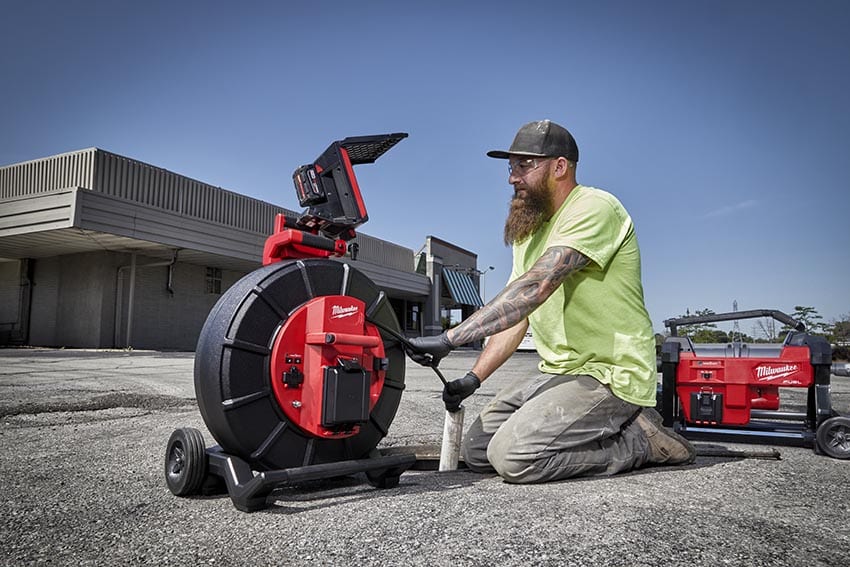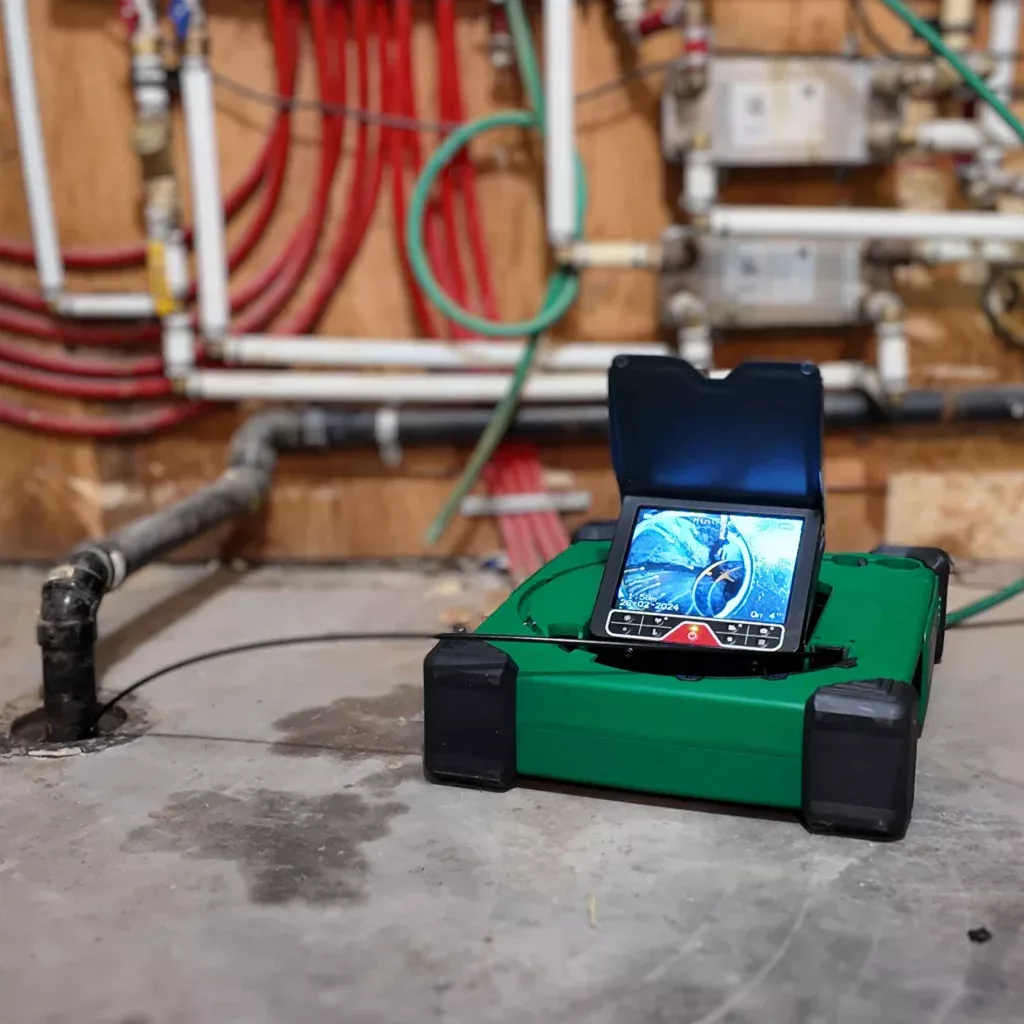

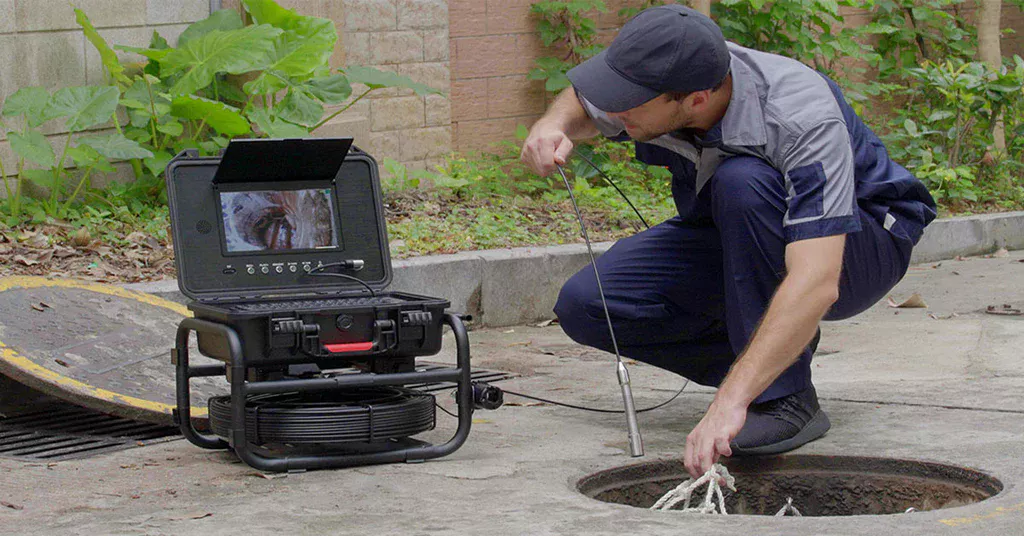
Plumbing camera inspection equipment has changed how contractors diagnose, document, and bid complex jobs. Instead of relying on surface symptoms or trial excavation, plumbers can inspect pipelines directly and confirm the exact problem. This level of precision helps contractors reduce guesswork and improve confidence on larger projects. For plumbing companies looking to move into commercial, insurance, or mitigation work, strong diagnostic capability often becomes the first step.
Many contractors reach a ceiling when basic tools limit the size of jobs they can accept. Commercial systems, long sewer lines, and multi-unit properties require detailed inspection before repairs begin. Plumbing camera inspection equipment allows contractors to provide visual confirmation of blockages, pipe collapse, root intrusion, or structural damage. When clients and property managers see clear footage, they move forward with decisions faster and with fewer objections.
The Disaster Network works with plumbing contractors who want to expand into larger and higher value projects. By supporting equipment coordination, mitigation planning, and documentation readiness, TDN helps contractors use tools like plumbing camera inspection equipment to compete more effectively in demanding markets.
What Plumbing Camera Inspection Equipment Does for Contractors
Modern plumbing camera inspection equipment uses flexible cables and high-resolution cameras to navigate pipelines and transmit real-time footage. Contractors can record video, capture images, and pinpoint problem locations. This improves accuracy and strengthens project proposals.
With proper inspection tools, contractors can:
Confirm exact failure points
Measure distances to problem areas
Identify recurring blockage causes
Document pre-existing damage
Reduce unnecessary excavation
Accurate diagnostics shorten job timelines and reduce disputes. Contractors who present visual proof often close larger projects with greater confidence.
Why Larger Jobs Require Stronger Diagnostics
Small residential service calls often allow room for trial and error. Larger projects demand clear documentation before work begins. Commercial clients and insurance representatives expect evidence that supports the scope of work.
Plumbing camera inspection equipment strengthens a contractor’s position when pursuing:
Commercial sewer repairs
Property management contracts
Insurance-supported plumbing claims
Multi-unit housing projects
Mitigation-related plumbing work
Without inspection capability, contractors may struggle to justify pricing or scope. With inspection footage, they present a professional case backed by visual confirmation.
Revenue Impact of Plumbing Camera Inspection Equipment
Better diagnostics directly influence revenue. Contractors who identify the full extent of damage often uncover additional repair needs. This increases job size while reducing callbacks.
Below is a comparison of how inspection capability can influence job value:
| Job Scenario | Without Camera Inspection | With Camera Inspection |
|---|---|---|
| Basic drain clearing | $300–$600 | $600–$1,200 |
| Residential sewer repair | $2,500–$4,000 | $4,500–$7,500 |
| Commercial pipe replacement | $6,000–$10,000 | $10,000–$20,000 |
Accurate diagnostics often reveal underlying damage that would otherwise remain hidden. This supports stronger estimates and reduces underpricing.
Purchase vs Access: Strategic Equipment Decisions
High-quality plumbing camera inspection equipment can cost several thousand dollars. For contractors who only occasionally handle large diagnostics, ownership may not make financial sense immediately. Strategic access through equipment coordination allows contractors to take on bigger work without absorbing full purchase costs.
| Equipment Tier | Purchase Cost Range | Typical Use Case |
|---|---|---|
| Entry-level system | $3,000–$6,000 | Light residential work |
| Commercial-grade system | $7,000–$15,000 | Recurring larger jobs |
| Advanced system with locator | $15,000+ | High-volume commercial projects |
Contractors must evaluate job frequency, market demand, and growth goals when deciding whether to own or access equipment.
Using Inspection Equipment to Enter Commercial Markets
Many plumbing companies want to expand into commercial contracts but lack the tools to compete. Property managers and facility operators often prioritize contractors who provide clear documentation and detailed inspection reports.
Plumbing camera inspection equipment helps contractors:
Improve proposal credibility
Reduce project approval delays
Strengthen relationships with commercial clients
Provide recurring maintenance inspections
Support compliance-driven environments
With inspection capability in place, contractors position themselves as professional service providers rather than reactive repair technicians.
Beyond Equipment: Preparing for Structured Projects
While plumbing camera inspection equipment improves diagnostics, larger projects require more than tools. Contractors must also prepare documentation, coordinate mitigation considerations, and align work with industry expectations.
The Disaster Network supports contractors who want to take on structured projects with greater confidence. TDN helps coordinate equipment planning, supports mitigation awareness, and guides contractors through compliance expectations tied to larger jobs. Because TDN works alongside credentialed professionals familiar with IICRC standards and ACAC CRMR expertise, contractors gain access to structured oversight that strengthens execution and documentation.
This level of preparation helps plumbers compete for higher value work while reducing operational risk.
Plumbing Camera Inspection Equipment as a Step Toward Business Growth
Contractors who invest in stronger diagnostics often experience steady business growth. Inspection capability reduces uncertainty and strengthens job outcomes. It also opens doors to recurring commercial work and insurance-supported projects.
Plumbing camera inspection equipment represents more than a technical upgrade. It signals a shift toward more advanced services, improved margins, and higher quality projects. Contractors who combine inspection capability with structured planning and mitigation awareness operate at a higher professional standard.
The Disaster Network helps plumbing contractors prepare for this transition. By supporting equipment coordination and project readiness, TDN helps plumbers move into larger opportunities with confidence.
If your team is preparing to take on bigger projects and wants structured support alongside equipment planning, contact The Disaster Network at 214-304-2119. Our office hours are Monday through Saturday, 7am to 7pm, with 24/7 emergency support available for urgent situations.