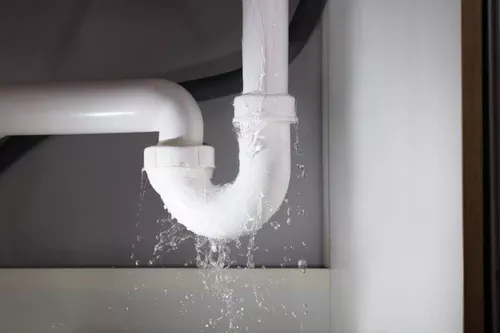

Emergency plumbing work is one of the most common entry points into high value mitigation and restoration opportunities. When pipes burst, sewer systems back up, or water lines suddenly fail, property owners need immediate help to stop the problem and prevent structural damage. While many plumbing companies focus only on fixing the immediate issue, experienced contractors understand that emergency plumbing work often leads to a much larger recovery process.
Water can move rapidly through walls, floors, insulation, and structural framing. A pipe rupture inside a wall cavity can saturate building materials within minutes. When this happens, repairing the pipe alone does not resolve the full problem. Contractors must also address moisture removal, structural drying, and documentation required for insurance claims.
Many of the recovery steps that follow emergency plumbing work mirror the processes explained in Water Damage Restoration where contractors focus on stabilizing structures before long term repairs begin.
The Disaster Network helps contractors respond effectively by coordinating equipment resources, mitigation support, estimating services, and documentation systems that allow plumbers to handle larger disaster recovery projects.
Common Causes of Emergency Plumbing Work
Emergency plumbing failures often occur suddenly and escalate quickly. Because most plumbing systems operate under constant pressure, even a small break can release significant amounts of water into surrounding areas.
Common causes include:
Burst water supply lines
Sewer backups and drainage blockages
Water heater tank failures
Frozen pipe ruptures
Underground main breaks
Storm related flooding
When these situations occur, the first priority is isolating the water source. However, once water has entered the structure, contractors must also manage the resulting damage.
Many emergency plumbing events eventually require mitigation services similar to those described in Water Damage and Restoration Companies where structural drying and moisture removal play a major role in protecting the property.
Equipment That Supports Emergency Plumbing Response
Responding to emergency plumbing work requires specialized tools that allow technicians to locate and resolve problems quickly. Standard hand tools may not be enough when contractors must diagnose hidden leaks or severe blockages.
Contractors often rely on equipment such as:
Pipe inspection cameras
Drain cleaning machines
Leak detection systems
Water extraction pumps
Commercial air movers
Industrial dehumidifiers
Inspection cameras help plumbers diagnose underground failures quickly, especially when sewer systems are involved. Contractors frequently rely on pipe inspection camera rental equipment to locate hidden pipe damage without unnecessary excavation.
When drainage blockages cause flooding or sewer backups, plumbers may also need drain cleaning equipment rental to clear severe obstructions quickly and restore proper flow.
Access to the right tools allows contractors to resolve emergencies faster while minimizing disruption to the property.
Emergency Plumbing Work and Flood Related Damage
Some emergency plumbing incidents lead directly to flooding inside a building. When water spreads across floors and into wall cavities, rapid mitigation becomes essential.
Flooding situations may require:
Standing water extraction
Moisture detection
Drying equipment placement
Humidity control
Removal of saturated materials
These procedures closely resemble the response strategies described in Flood Restoration Company Near Me where rapid stabilization helps prevent structural deterioration.
Contractors who understand how flooding affects building materials can often remain involved in the project long after the initial plumbing repair is completed.
Underground Plumbing Failures and Infrastructure Repairs
Some emergency plumbing work originates underground. Broken water mains, collapsed sewer lines, and underground pipe leaks can cause severe property damage if not addressed quickly.
Diagnosing these failures requires advanced tools that help technicians locate pipe systems beneath the surface. Contractors frequently rely on underground pipe locator rental equipment when tracing buried plumbing infrastructure.
Accurate pipe location allows plumbers to reduce excavation work and repair underground systems more efficiently.
Underground failures often occur in commercial properties, apartment complexes, and industrial facilities where plumbing infrastructure is more complex.
Documentation Requirements for Water Damage Incidents
Many emergency plumbing situations eventually involve insurance claims, especially when water damages interior spaces. Insurance companies require detailed documentation to verify the extent of the loss and confirm that mitigation procedures followed accepted industry standards.
Contractors responding to emergency plumbing work may need to record:
Moisture readings throughout the structure
Photographs of affected areas
Equipment placement during drying procedures
Daily progress reports
Environmental monitoring data
Professional documentation services can simplify this process. Systems such as mitigation documentation services help contractors track drying progress while providing accurate records for insurance adjusters.
Accurate documentation protects both the contractor and the property owner during complex restoration projects.
Commercial Emergency Plumbing Situations
Commercial buildings often present more complicated emergency plumbing scenarios than residential properties. Large facilities contain extensive plumbing systems that serve multiple tenants and operational areas.
Examples of commercial emergency plumbing work include:
Apartment complex supply line failures
Restaurant sewer backups
Office building pipe ruptures
Industrial drainage failures
Retail center flooding incidents
In these situations, contractors must stabilize the property quickly to prevent widespread disruption.
Large water damage events in commercial buildings frequently transition into commercial water mitigation projects where drying systems and environmental monitoring become essential.
Contractors who respond effectively during emergencies often develop long term relationships with property managers and commercial clients.
How Emergency Plumbing Work Leads to Restoration Projects
Emergency plumbing work often serves as the first step in a broader disaster recovery process. When water damage spreads through building materials, the property may require extensive drying and repair work.
Contractors who understand this process can remain involved throughout the entire recovery project.
In many cases, plumbers who frequently respond to emergencies eventually expand their services into the restoration field. These contractors often operate similarly to disaster restoration contractors, coordinating stabilization efforts and managing recovery operations.
This transition allows plumbing companies to participate in larger projects while building stronger relationships with commercial clients.
Building Long Term Clients Through Emergency Response
Property managers and facility operators depend on contractors who respond quickly during emergencies. A reliable response during a crisis often leads to long term service agreements.
Emergency plumbing work can lead to ongoing opportunities such as:
Commercial plumbing contracts
Preventative maintenance programs
Infrastructure upgrades
Routine inspections
Emergency response agreements
Businesses that demonstrate consistent emergency response capability often become preferred contractors for commercial properties.
The Disaster Network and Emergency Plumbing Support
Emergency plumbing work can be technically demanding and administratively complex. Contractors must repair plumbing failures while managing equipment logistics, documentation requirements, and insurance communication.
The Disaster Network helps plumbing professionals navigate these challenges by supporting equipment coordination, mitigation management guidance, documentation systems, and estimating services.
With the right support structure, contractors can respond to emergency plumbing work confidently while expanding into larger mitigation and restoration projects.
If your team regularly handles emergency plumbing work and wants to pursue larger disaster recovery opportunities, contact The Disaster Network at 214-304-2119. Office hours are Monday through Saturday, 7am to 7pm, with 24/7 emergency support available for urgent situations.