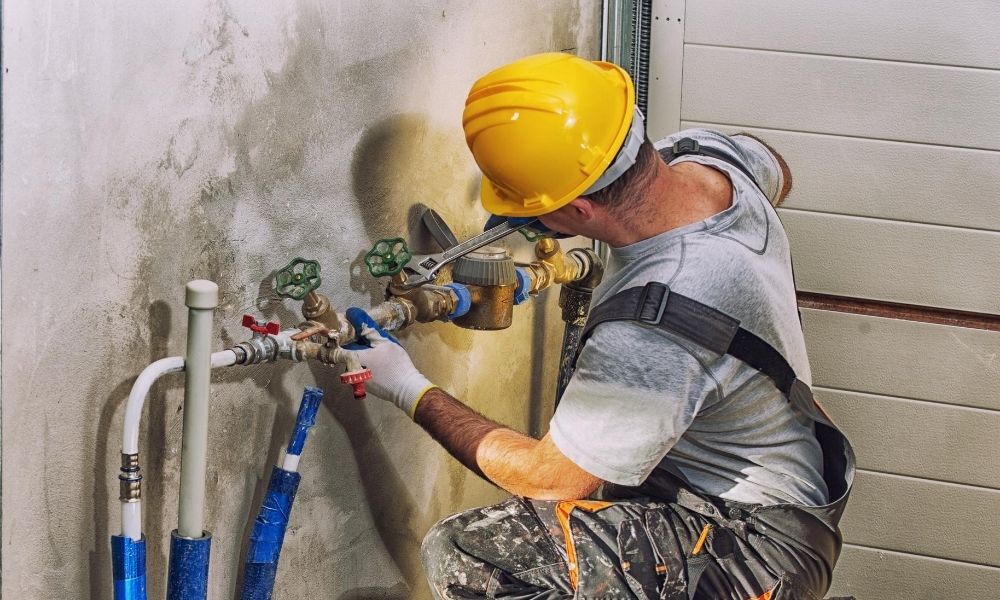

Plumbing business growth rarely happens by simply increasing the number of routine service calls. While residential repairs provide steady work, long term expansion typically comes from taking on larger projects, serving commercial clients, and responding to complex situations such as water damage events. Contractors who understand how plumbing failures connect to mitigation and restoration opportunities often discover entirely new revenue streams.
When pipes burst or drainage systems fail, the damage frequently extends far beyond the plumbing repair itself. Water spreads through structural materials, flooring systems, and mechanical areas of the building. In these cases, the contractor who responds first often has the opportunity to guide the entire recovery process.
Many of the stabilization steps involved in these situations follow the procedures described in Water Damage Restoration where moisture removal and structural drying become essential to protecting the property.
The Disaster Network helps plumbing contractors pursue these larger opportunities by coordinating equipment access, mitigation management guidance, documentation services, and estimating support.
Why Plumbing Business Growth Requires Expanding Services
Many plumbing companies begin by focusing primarily on residential repairs. Over time, however, business owners often realize that relying exclusively on small service calls limits their growth potential.
Contractors who expand their service capabilities frequently pursue opportunities such as:
Commercial plumbing projects
Emergency response services
Mitigation and restoration work
Infrastructure repairs
Insurance related projects
Each of these areas allows plumbers to increase the value of individual jobs rather than simply increasing the number of appointments scheduled each week.
Plumbing companies that begin responding to water damage events often follow recovery procedures similar to those explained in Water Damage and Restoration Companies where contractors coordinate stabilization and drying efforts before repairs begin.
Revenue Differences Between Small Repairs and Larger Projects
One of the most significant factors in plumbing business growth is the value of each project. Contractors who expand their services can often generate significantly higher revenue from fewer jobs.
| Service Type | Typical Revenue Range |
|---|---|
| Basic residential repair | $150 – $600 |
| Sewer repair or replacement | $2,000 – $10,000 |
| Water damage mitigation | $8,000 – $40,000 |
| Commercial plumbing project | $25,000 – $150,000+ |
This shift allows plumbing companies to focus on higher value work rather than relying solely on volume.
Contractors who regularly handle large water damage events often operate similarly to disaster restoration contractors, coordinating both plumbing repairs and the stabilization process that follows.
Specialized Equipment That Supports Plumbing Business Growth
Expanding into larger jobs often requires specialized equipment. Contractors must be able to diagnose hidden plumbing problems, locate underground infrastructure, and remove severe blockages.
Tools that frequently support plumbing business growth include:
Pipe inspection cameras
Drain cleaning equipment
Leak detection systems
Underground pipe locating tools
Water extraction equipment
Commercial drying systems
Many plumbers begin expanding their capabilities by using pipe inspection camera rental equipment to diagnose problems quickly without unnecessary demolition.
When severe blockages or sewer backups occur, contractors may also rely on drain cleaning equipment rental to clear obstructions and restore proper flow.
Access to the right tools allows plumbers to handle complex jobs with greater efficiency.
Underground Infrastructure and Large Plumbing Projects
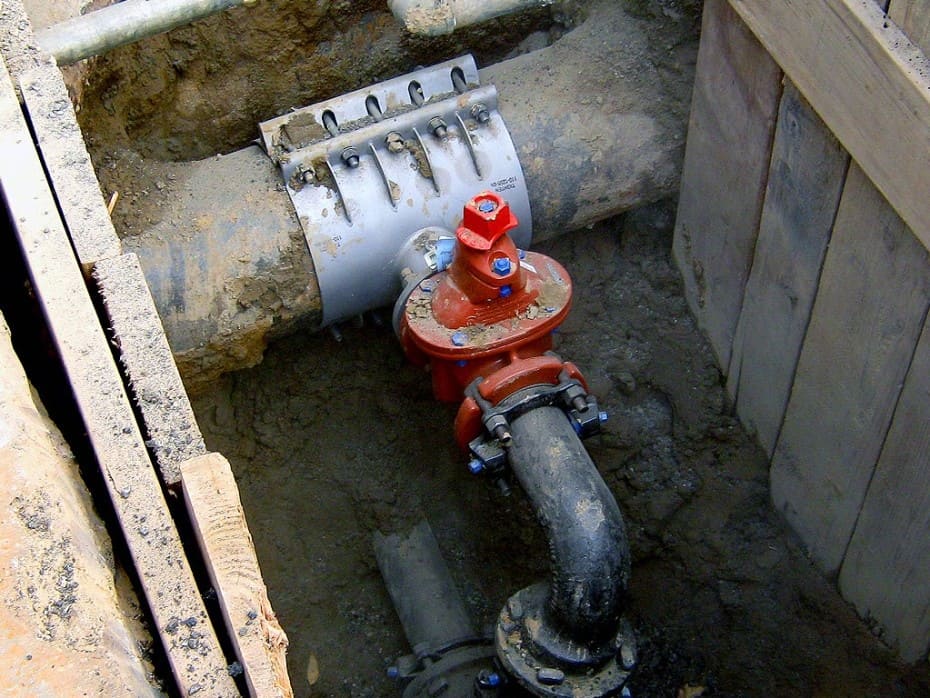
Some of the most profitable plumbing projects involve underground infrastructure. Broken water mains, collapsed sewer lines, and underground leaks often require advanced diagnostic tools to locate the damaged pipe.
Contractors frequently use underground pipe locator rental equipment to trace buried plumbing systems and determine the precise location of underground failures.
Accurate pipe location reduces excavation costs and helps contractors complete repairs more efficiently.
Large infrastructure repairs are especially common in commercial environments such as apartment complexes, industrial facilities, and retail centers.
Emergency Plumbing Work as a Growth Opportunity
Emergency plumbing calls often represent the starting point for larger restoration projects. When water begins spreading through a structure, contractors must act quickly to prevent additional damage.
Emergency plumbing work may involve:
Burst water supply lines
Sewer backups
Water heater failures
Flooding caused by plumbing leaks
Responding quickly during these situations often allows plumbers to guide the stabilization process that follows.
Contractors who frequently respond to these incidents often learn the recovery techniques discussed in Flood Restoration Company Near Me where rapid mitigation helps prevent structural damage.
Handling emergency response situations effectively can significantly contribute to plumbing business growth.
Documentation and Insurance Coordination
Large plumbing failures frequently involve insurance claims, especially when water damages interior building materials. Insurance companies require detailed documentation to verify the extent of the damage and confirm that mitigation procedures follow industry standards.
Contractors involved in these projects often maintain records such as:
Moisture readings
Drying progress reports
Photographic documentation
Equipment usage logs
Environmental monitoring data
Professional reporting services such as mitigation documentation services help contractors maintain accurate records during complex projects.
These systems simplify communication with insurance adjusters and help ensure that mitigation procedures meet industry guidelines.
Commercial Clients and Long Term Contracts
Commercial properties often provide some of the most stable opportunities for plumbing business growth. Property managers depend on reliable contractors who can respond quickly to emergencies and maintain large plumbing systems.
Commercial clients may require services such as:
Preventative plumbing maintenance
Emergency response capability
Infrastructure inspections
Large scale pipe repairs
Mitigation planning
Contractors who perform well during emergency situations often develop long term relationships with property managers.
In some cases, these projects transition into commercial water mitigation work when plumbing failures cause widespread water damage inside the building.
Long term commercial contracts provide steady revenue and reduce reliance on unpredictable residential service calls.
How Restoration Work Expands Plumbing Businesses
Many plumbing companies discover that responding to water damage events creates opportunities to expand their services into the restoration field.
When plumbers repair the source of a water leak, they are often already present at the scene when mitigation work begins. This allows them to remain involved throughout the entire recovery process.
Contractors who expand in this direction frequently operate similarly to disaster restoration contractors, coordinating plumbing repairs, stabilization procedures, and documentation requirements.
This approach allows plumbing companies to participate in larger projects while building stronger relationships with commercial clients.
Building a Business Around Larger Projects
Plumbing business growth often involves gradually shifting from small residential service calls to larger infrastructure and mitigation projects.
Contractors who pursue this path typically focus on:
Improving diagnostic capabilities
Accessing specialized equipment
Developing documentation systems
Building relationships with commercial clients
Learning mitigation procedures
Over time, these changes allow plumbing companies to handle more complex jobs while increasing revenue per project.
The Disaster Network and Contractor Support
The Disaster Network works with plumbing professionals who want to expand their businesses by taking on larger mitigation and restoration projects. By helping coordinate equipment access, mitigation management guidance, documentation services, and estimating support, TDN allows contractors to focus on delivering high quality work.
With the right resources and support systems in place, plumbing companies can confidently pursue new opportunities that lead to long term growth.
If your team is working toward plumbing business growth and wants to expand into larger disaster recovery and mitigation projects, contact The Disaster Network at 214-304-2119. Office hours are Monday through Saturday, 7am to 7pm, with 24/7 emergency support available for urgent situations.