Skip to content

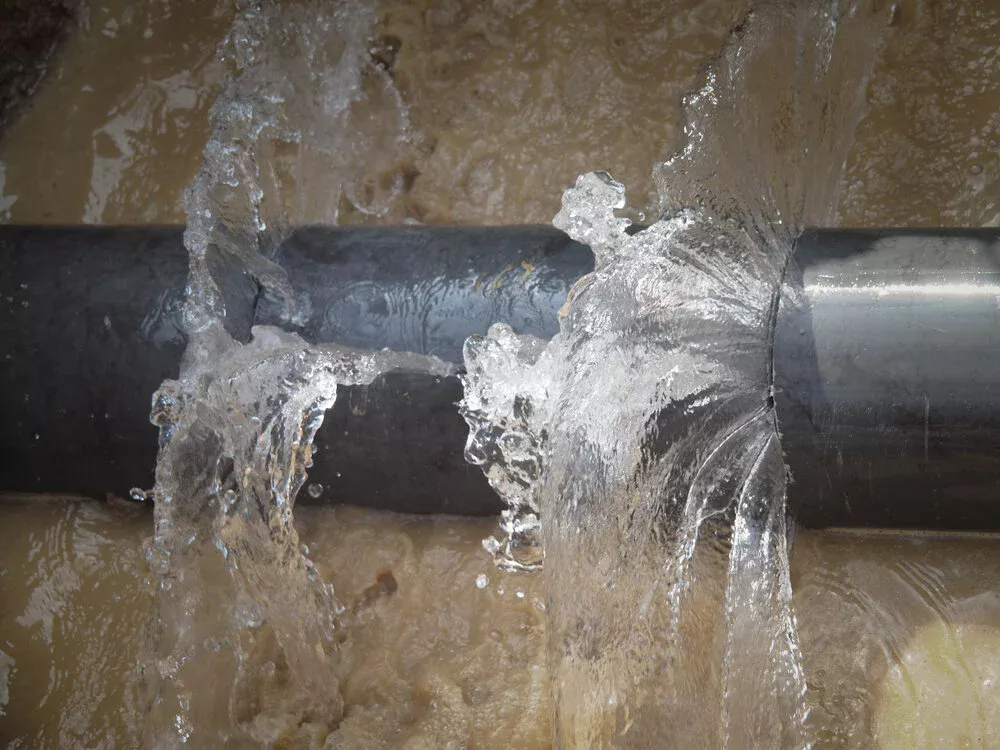
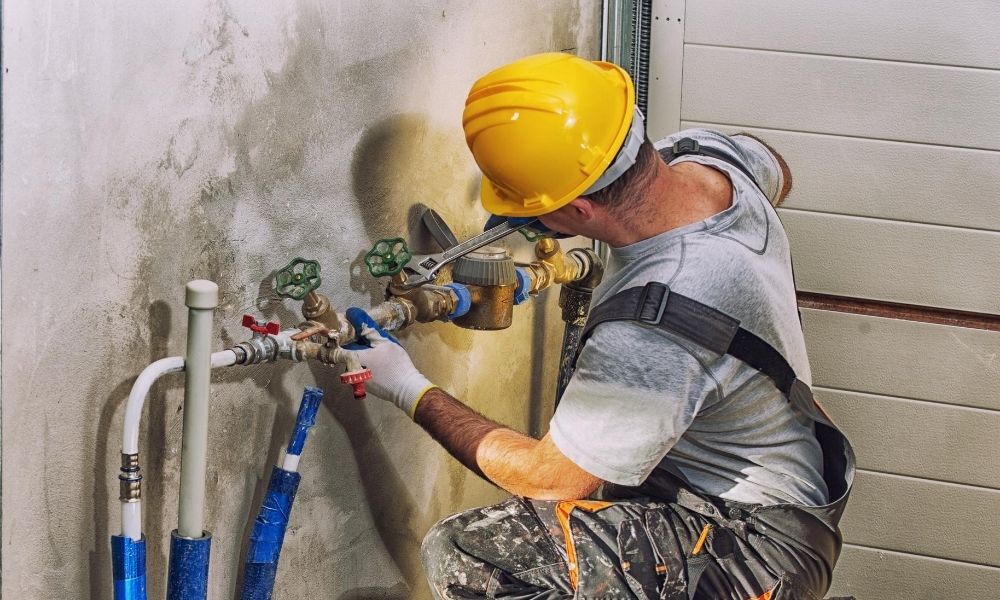
Commercial disaster plumbing services involve responding to plumbing failures that cause significant water damage inside buildings. Burst pipes, sewer backups, broken water mains, and large drainage failures can quickly flood interior spaces and create serious structural problems. In these situations, plumbers must move beyond routine repairs and focus on stabilizing the building while preventing further damage.
Disaster plumbing services often begin with identifying the source of the water intrusion and repairing the damaged plumbing system. However, once water spreads through walls, flooring systems, and insulation, additional mitigation procedures become necessary. Contractors must remove standing water, monitor moisture conditions, and begin structural drying to protect the property.
Many of these recovery procedures follow the same principles discussed in
Water Damage Restoration
where contractors focus on stabilizing buildings after major water intrusion events.
The Disaster Network works with contractors who respond to disaster plumbing services by supporting equipment coordination, mitigation management services, documentation support, and estimating systems that allow plumbers to handle larger restoration projects.
What Disaster Plumbing Services Include
Disaster plumbing services address plumbing failures that result in significant property damage. These events often occur suddenly and require immediate response to prevent structural deterioration.
Common disaster plumbing situations include:
- Burst water supply lines
- Sewer system backups
- Water heater tank ruptures
- Underground water main breaks
- Industrial plumbing system failures
- Flooding caused by drainage blockages
When these incidents occur, plumbers must quickly repair the plumbing failure while also managing the water damage that results from the leak.
Many of these situations resemble the recovery scenarios described in
Water Damage and Restoration Companies
where contractors coordinate structural drying and moisture removal after plumbing failures.
Why Plumbing Failures Can Become Disasters
Plumbing systems are often hidden behind walls, beneath floors, and inside ceilings. When a pipe ruptures in one of these concealed areas, water may spread throughout the building before anyone realizes a problem exists.
Once water enters the structure, it can affect multiple building materials including:
- Drywall and insulation
- Wood framing and subfloors
- Carpeting and interior finishes
- Mechanical and electrical systems
Without rapid mitigation, moisture trapped inside these materials can lead to structural deterioration and additional repair costs.
Contractors who specialize in disaster plumbing services focus on stabilizing the building quickly to prevent these problems from worsening.
Revenue Opportunities in Disaster Plumbing Services
Disaster plumbing services often lead to significantly larger projects than standard plumbing repairs. The plumbing repair itself may represent only a small portion of the recovery effort required after a major water event.
| Type of Project | Typical Revenue Range |
|---|---|
| Basic plumbing repair | $200 – $800 |
| Sewer or pipe replacement | $2,000 – $10,000 |
| Residential mitigation project | $8,000 – $40,000 |
| Commercial disaster restoration | $40,000 – $150,000+ |
Because disaster plumbing services often involve structural drying and mitigation work, contractors may remain involved throughout the entire recovery process.
Plumbing companies that regularly perform these projects often develop workflows similar to
Disaster Restoration Contractors
who coordinate both plumbing repairs and mitigation operations.
Equipment Used in Disaster Plumbing Services
Responding to disaster plumbing services requires specialized equipment that allows contractors to diagnose plumbing failures and remove water efficiently.
Common equipment used during these projects includes:
- Pipe inspection cameras
- Drain cleaning machines
- Leak detection systems
- Water extraction pumps
- Commercial air movers
- Industrial dehumidifiers
Pipe inspection cameras help technicians identify hidden pipe failures inside walls or underground infrastructure. Many contractors rely on
Pipe Inspection Camera Rental
equipment to diagnose plumbing damage quickly.
Severe drainage blockages or sewer backups may also require
Drain Cleaning Equipment Rental
to restore proper flow and prevent additional flooding.
Flooding Caused by Plumbing System Failures
Some disaster plumbing services involve large flooding events inside buildings. Burst supply lines or broken water mains can release large volumes of water into interior spaces.
Flood related mitigation procedures may include:
- Standing water extraction
- Moisture detection throughout the structure
- Placement of drying equipment
- Removal of saturated building materials
- Humidity monitoring
These stabilization procedures resemble the recovery techniques described in
Flood Restoration Company Near Me
where contractors focus on limiting structural damage after flooding events.
Locating Underground Plumbing Failures
In some disaster plumbing services, the water damage originates from underground infrastructure failures. Broken supply lines or leaking drainage systems beneath foundations can allow water to spread into surrounding structures.
Contractors frequently use
Underground Pipe Locator Rental
equipment to trace buried plumbing lines and determine where repairs must occur.
Accurate pipe location allows technicians to repair damaged plumbing systems efficiently while minimizing excavation.
Documentation and Insurance Claims
Disaster plumbing services frequently involve insurance claims when water damage affects structural materials inside the building. Insurance companies require detailed documentation to verify the extent of the damage and confirm that mitigation procedures followed industry standards.
Contractors typically document:
- Moisture readings across affected materials
- Photographs of damaged areas
- Drying equipment placement
- Daily mitigation progress reports
- Environmental monitoring data
Professional reporting systems such as
Mitigation Documentation Services
help contractors maintain organized records during disaster plumbing projects.
Commercial Disaster Plumbing Projects
Commercial properties often experience large scale disaster plumbing incidents due to the complexity of their plumbing infrastructure.
Examples include:
- Apartment complex pipe ruptures
- Restaurant drainage system failures
- Office building mechanical room flooding
- Industrial plumbing infrastructure leaks
- Retail center water damage incidents
Many of these projects transition into
Commercial Water Mitigation
operations where drying systems and environmental monitoring restore safe conditions inside the structure.
The Disaster Network and Commercial Disaster Plumbing Support
Commercial disaster plumbing services often require coordination between plumbing repairs, mitigation procedures, documentation systems, and insurance communication. Contractors must manage equipment resources, monitor environmental conditions, and maintain detailed project records.
The Disaster Network supports contractors by helping coordinate equipment resources, mitigation management services, documentation support, and estimating systems.
If your company performs disaster plumbing services and wants to expand into larger water damage recovery projects, contact The Disaster Network at 214-304-2119. Office hours are Monday through Saturday, 7am to 7pm, with 24/7 emergency support available for urgent situations.