Skip to content

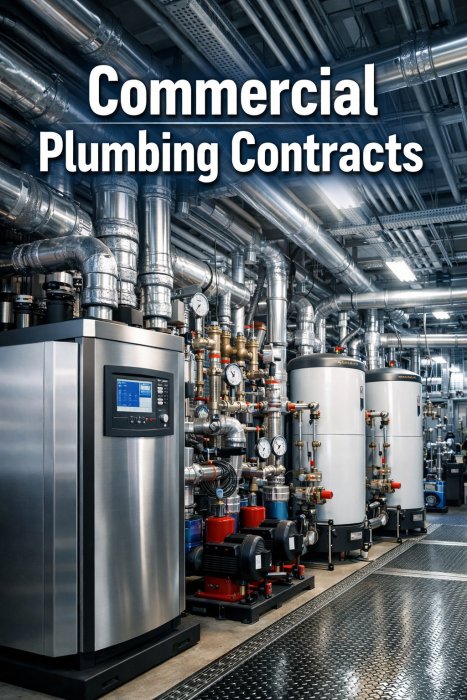
Commercial plumbing contracts play a major role in the long term growth of plumbing businesses. While residential service calls provide steady daily work, commercial agreements offer predictable revenue, larger project sizes, and ongoing relationships with property managers and facility operators. Contractors who pursue commercial plumbing contracts often discover opportunities that extend beyond routine maintenance and repairs.
Large commercial properties depend on reliable plumbing systems to support daily operations. Apartment complexes, office buildings, hotels, restaurants, and industrial facilities all require experienced contractors who can respond quickly to plumbing failures and infrastructure problems. When these systems break down, the consequences can include flooding, property damage, and operational disruptions.
Many of these situations resemble the recovery scenarios described in Water Damage Restoration where contractors stabilize buildings after water intrusion and begin the process of structural drying.
The Disaster Network works with contractors who pursue larger projects by helping coordinate equipment access, mitigation management support, documentation services, and estimating systems.
Why Commercial Plumbing Contracts Are Valuable
Commercial plumbing contracts provide stability that many residential service businesses struggle to achieve. Instead of relying entirely on unpredictable repair calls, contractors secure scheduled maintenance agreements and emergency response arrangements with property owners.
These agreements may include:
Routine plumbing inspections
Preventative maintenance services
Emergency plumbing response
Infrastructure repairs
System upgrades
Commercial property managers often prefer working with a contractor they trust rather than searching for new service providers during emergencies. As a result, businesses that secure commercial plumbing contracts often maintain those relationships for years.
These projects frequently involve situations similar to those discussed in Water Damage and Restoration Companies where contractors respond to plumbing failures that cause structural water damage.
Revenue Potential of Commercial Plumbing Work
Commercial plumbing contracts often generate significantly larger revenue than residential work. Larger plumbing systems, complex infrastructure, and higher service demands increase the value of each project.
| Type of Plumbing Work | Typical Revenue Range |
|---|---|
| Residential service call | $150 – $600 |
| Sewer repair project | $2,000 – $10,000 |
| Commercial plumbing repair | $5,000 – $40,000 |
| Large infrastructure project | $40,000 – $150,000+ |
Commercial plumbing contracts often involve ongoing maintenance agreements as well as large repair projects when infrastructure systems fail.
Contractors who frequently handle these projects often develop workflows similar to disaster restoration contractors who manage complex building recovery operations.
Equipment Needed for Commercial Plumbing Projects
Handling commercial plumbing contracts requires more advanced equipment than typical residential service calls. Contractors must diagnose hidden pipe failures, inspect underground infrastructure, and clear severe drainage blockages.
Equipment commonly used during commercial plumbing work includes:
Pipe inspection cameras
Drain cleaning machines
Leak detection systems
Underground pipe locating equipment
Water extraction pumps
Commercial drying equipment
Inspection cameras help contractors locate pipe failures quickly inside large plumbing systems. Many companies expand their diagnostic capabilities through pipe inspection camera rental equipment that allows them to inspect underground sewer lines and hidden pipe systems.
When severe blockages occur inside commercial drainage systems, plumbers often rely on drain cleaning equipment rental to restore flow quickly and prevent flooding.
Access to these tools allows contractors to respond efficiently to large plumbing problems.
Infrastructure Failures in Commercial Buildings
Large buildings contain complex plumbing infrastructure that serves hundreds or even thousands of occupants. When failures occur within these systems, water can spread rapidly through mechanical rooms, ceilings, and flooring systems.
Examples of common commercial plumbing emergencies include:
Burst water supply lines
Mechanical room flooding
Restaurant grease line blockages
Apartment complex pipe failures
Industrial drainage system breakdowns
When these failures cause water damage inside the building, contractors must stabilize the structure quickly.
These stabilization procedures often resemble the recovery methods discussed in Flood Restoration Company Near Me where mitigation teams remove water and begin structural drying.
Contractors who understand both plumbing repairs and mitigation procedures often provide the most complete service during these situations.
Locating Underground Infrastructure
Many commercial plumbing failures occur beneath parking lots, foundations, or landscaping where buried pipes become damaged over time. Identifying the location of these systems requires specialized detection equipment.
Contractors frequently use underground pipe locator rental equipment to trace buried plumbing lines and determine where repairs must occur.
Accurate pipe location helps reduce excavation costs while allowing contractors to complete infrastructure repairs more efficiently.
Underground pipe failures are especially common in large facilities where plumbing systems span significant distances across the property.
Documentation and Insurance Requirements
Commercial plumbing contracts often involve insurance claims when plumbing failures lead to water damage inside buildings. Property owners and insurance providers require detailed documentation to verify the extent of the damage and the recovery process.
Contractors typically document:
Moisture readings in affected materials
Photographs of damaged areas
Equipment placement during drying
Daily mitigation progress reports
Environmental monitoring data
Professional reporting services such as mitigation documentation services help contractors maintain accurate records during these projects.
Proper documentation simplifies communication with insurance adjusters and supports reimbursement claims.
Commercial Water Damage and Mitigation
Large plumbing failures frequently result in water damage that extends beyond the mechanical repair itself. Flooded flooring systems, saturated drywall, and wet insulation must be addressed before reconstruction can begin.
Commercial water damage recovery may involve:
Standing water extraction
Placement of drying equipment
Removal of saturated materials
Humidity control and monitoring
These procedures often transition into full scale commercial water mitigation operations where contractors stabilize the environment before repairs begin.
Plumbing companies that understand mitigation procedures often remain involved throughout the entire restoration process.
Building Long Term Commercial Clients
Securing commercial plumbing contracts often leads to long term relationships with property managers, facility operators, and commercial developers. These partnerships provide consistent work and ongoing service opportunities.
Contractors who perform well during emergency situations often become preferred vendors for future projects.
Long term agreements may include:
Routine plumbing inspections
Emergency response coverage
Infrastructure upgrades
Preventative maintenance programs
These relationships help plumbing companies build stable revenue while reducing reliance on unpredictable residential service calls.
The Disaster Network and Commercial Project Support
Large commercial plumbing contracts often involve complex coordination between plumbing repairs, mitigation procedures, documentation requirements, and insurance communication. Contractors must manage equipment resources, monitor environmental conditions, and maintain detailed project records.
The Disaster Network helps contractors pursue these opportunities by supporting equipment coordination, mitigation management services, documentation systems, and estimating support.
By providing these resources, The Disaster Network allows plumbing contractors to focus on delivering high quality work while expanding into larger commercial and mitigation projects.
If your company is pursuing commercial plumbing contracts and wants to expand into larger water damage and restoration opportunities, contact The Disaster Network at 214-304-2119. Office hours are Monday through Saturday, 7am to 7pm, with 24/7 emergency support available for urgent situations.