Skip to content

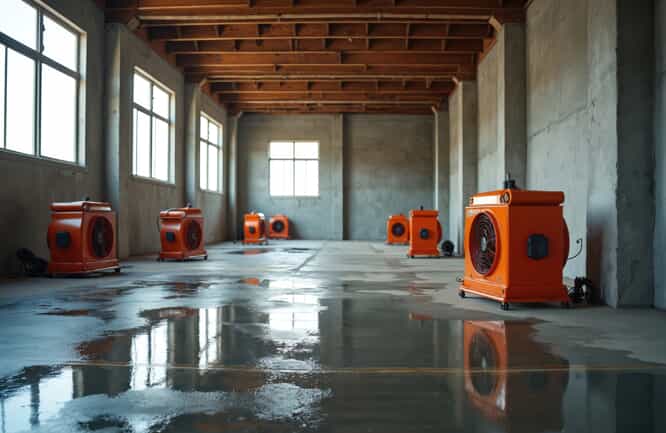
Drying equipment setup is one of the most important steps in water damage mitigation. After a plumbing failure floods a building, contractors must remove standing water and establish controlled drying conditions to prevent structural damage. Proper equipment placement helps accelerate evaporation, control humidity levels, and restore safe environmental conditions inside the building.
Drying equipment setup usually begins after the source of the leak has been repaired. Burst supply lines, sewer backups, and mechanical room failures can allow water to spread rapidly through walls, floors, and insulation. Once the plumbing issue has been resolved, contractors must focus on stabilizing the building environment.
Many of the procedures used during drying equipment setup follow the mitigation processes described in Water Damage Restoration where contractors remove water and begin structural drying to prevent long term damage.
The Disaster Network helps contractors manage drying equipment setup by coordinating equipment resources, supporting mitigation management services, and assisting with documentation systems required for large restoration projects.
Why Proper Drying Equipment Setup Matters
Water spreads quickly through porous building materials such as drywall, insulation, and wood framing. If moisture remains trapped inside these materials, structural deterioration can begin within a short period of time.
Drying equipment setup allows contractors to control airflow and humidity conditions while moisture evaporates from building materials. Proper placement of drying equipment significantly reduces drying time and prevents secondary damage.
Typical objectives of drying equipment setup include:
Removing excess humidity from the air
Increasing airflow across wet surfaces
Accelerating evaporation from building materials
Monitoring moisture levels during drying
Many of these procedures resemble the mitigation processes described in Water Damage and Restoration Companies where contractors stabilize buildings after plumbing failures and flooding events.
Equipment Used in Drying Equipment Setup
Contractors use several types of equipment during drying equipment setup. Each tool plays a different role in removing moisture from the building environment.
Common drying equipment includes:
Commercial air movers
Industrial dehumidifiers
Moisture detection meters
Thermal imaging cameras
Water extraction pumps
Air movers create high velocity airflow across wet materials, allowing moisture to evaporate more quickly. Dehumidifiers remove humidity from the air so evaporation can continue efficiently.
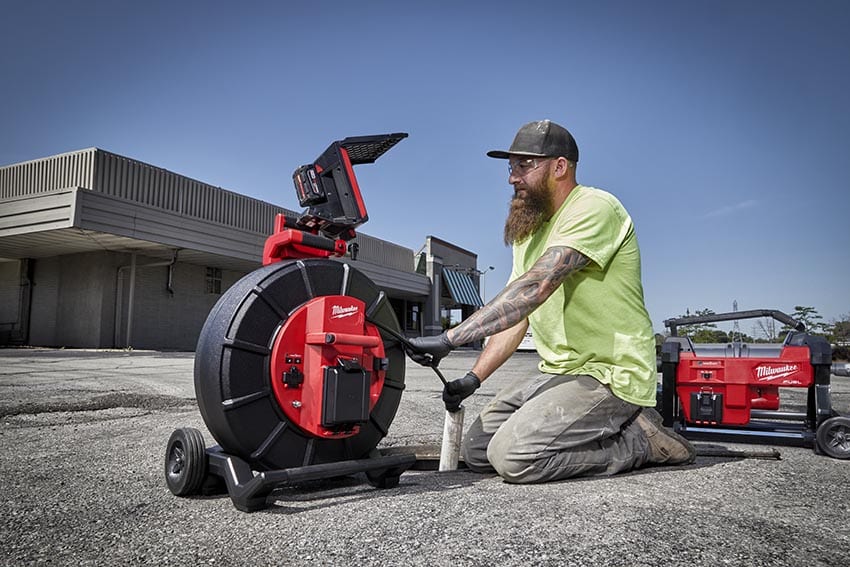
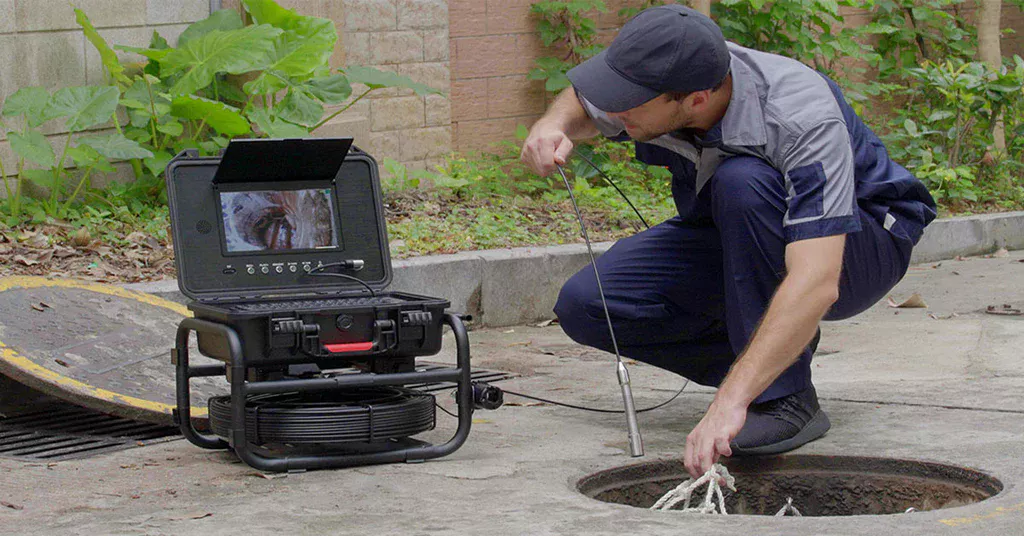
Before drying begins, contractors must often locate the plumbing failure that caused the water intrusion. Many technicians use Pipe Inspection Camera Rental equipment to inspect sewer lines and hidden plumbing systems.
When drainage blockages cause flooding, plumbers may also rely on Drain Cleaning Equipment Rental to restore proper flow before mitigation work begins.
Airflow and Dehumidification in Structural Drying
Airflow is one of the most important factors in drying equipment setup. Air movers increase evaporation by pushing air across wet surfaces. As moisture evaporates, dehumidifiers remove that humidity from the air.
Contractors typically place air movers along walls and flooring systems where moisture is concentrated. Dehumidifiers are then positioned throughout the affected area to control humidity levels.
Environmental monitoring tools measure temperature and humidity conditions during the drying process. These readings help contractors determine whether drying conditions are improving or if additional equipment must be added.
Large mitigation projects often involve procedures similar to those used in Commercial Water Mitigation where extensive drying equipment is required to stabilize large interior environments.
Drying Equipment Setup in Flooding Situations
Some plumbing failures result in significant flooding that affects large sections of the building. In these cases, contractors must remove standing water before drying equipment setup can begin.
Flood mitigation procedures often include:
Water extraction from flooring systems
Removal of saturated building materials
Installation of drying equipment
Monitoring humidity conditions
These procedures resemble the recovery methods described in Flood Restoration Company Near Me where contractors focus on stabilizing buildings after major flooding events.
Rapid drying equipment setup helps prevent structural deterioration and reduces the overall cost of restoration.
Locating Plumbing Failures Before Drying Begins
Drying equipment setup should not begin until the source of the water intrusion has been repaired. In some situations, plumbing failures originate underground or inside concealed areas of the building.
Contractors frequently rely on Underground Pipe Locator Rental equipment to trace buried plumbing systems and locate hidden leaks.
Once the damaged pipe has been identified and repaired, mitigation teams can begin drying equipment setup safely.
Underground plumbing failures are particularly common in commercial buildings where plumbing infrastructure extends across large properties.
Documentation During the Drying Process
Drying equipment setup requires ongoing monitoring to ensure that moisture levels are decreasing throughout the building. Contractors measure environmental conditions and moisture readings to track drying progress.
Typical documentation includes:
Moisture readings in building materials
Temperature and humidity measurements
Daily drying progress reports
Photographs of equipment placement
Professional reporting systems such as Mitigation Documentation Services help contractors maintain organized records during the drying process.
Proper documentation is often required when water damage claims involve insurance coverage.
Large Commercial Drying Projects
Large commercial buildings often require extensive drying equipment setup when plumbing failures cause water damage. Apartment complexes, office buildings, and industrial facilities contain large interior areas that must be stabilized quickly.
Examples of commercial water damage situations include:
Apartment building supply line failures
Restaurant drainage backups
Office building mechanical room flooding
Industrial plumbing system leaks
Contractors handling these projects often operate similarly to Disaster Restoration Contractors who manage complex water damage recovery operations.
Large scale drying operations may involve dozens of air movers and multiple industrial dehumidifiers working simultaneously.
The Disaster Network and Drying Equipment Support
Drying equipment setup can be a complex process that requires coordination between plumbing repairs, mitigation procedures, environmental monitoring, and insurance documentation. Contractors must ensure that equipment placement follows industry standards while maintaining detailed project records.
The Disaster Network supports contractors by helping coordinate equipment resources, mitigation management services, documentation systems, and estimating support. These services allow plumbing professionals to focus on delivering high quality mitigation work while pursuing larger restoration projects.
If your team performs drying equipment setup during water damage mitigation projects and wants to expand into larger restoration opportunities, contact The Disaster Network at 214-304-2119. Office hours are Monday through Saturday, 7am to 7pm, with 24/7 emergency support available for urgent situations.