Skip to content

Industrial plumbing equipment marks the line between standard commercial capability and true large scale infrastructure service. While many contractors successfully operate in retail or multi unit properties, industrial environments introduce a higher level of complexity. Manufacturing plants, processing facilities, warehouses, and utility sites rely on plumbing systems that operate continuously under extreme conditions. Contractors prepared with industrial plumbing equipment gain access to projects that few competitors can handle.
Industrial facilities cannot tolerate extended downtime. A failed line may halt production, interrupt supply chains, or trigger compliance concerns. Because of this, industrial plumbing equipment must deliver durability, power, and diagnostic precision beyond typical commercial tools. Contractors who invest strategically or access advanced equipment position themselves for high value, long term work.
The Disaster Network supports plumbing contractors seeking to expand into industrial markets by coordinating access to specialized equipment, mitigation readiness, estimating systems, and compliance aligned documentation processes.
What Separates Industrial From Commercial Plumbing
Commercial plumbing systems serve office buildings, retail properties, and residential complexes. Industrial plumbing systems often operate in production driven environments with unique stress factors.
Industrial systems frequently involve:
High pressure process lines
Large diameter waste systems
Chemical exposure conditions
Continuous operational cycles
Heavy duty drainage infrastructure
Integrated mechanical piping systems
Industrial plumbing equipment must withstand demanding environments while delivering precision performance.
Equipment Categories Required for Industrial Work
Industrial plumbing equipment includes tools designed for durability, capacity, and technical accuracy.
Core categories include:
High output hydro jetting systems
Heavy duty sectional drain machines
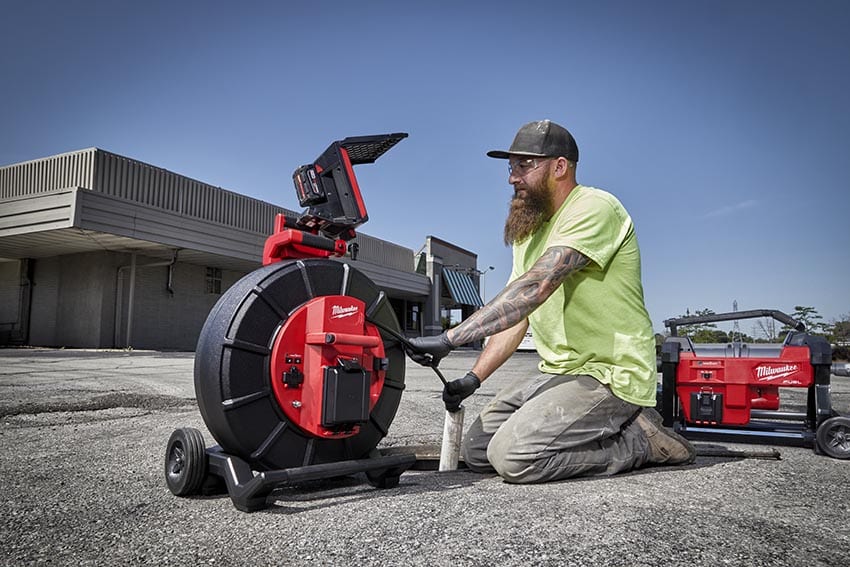
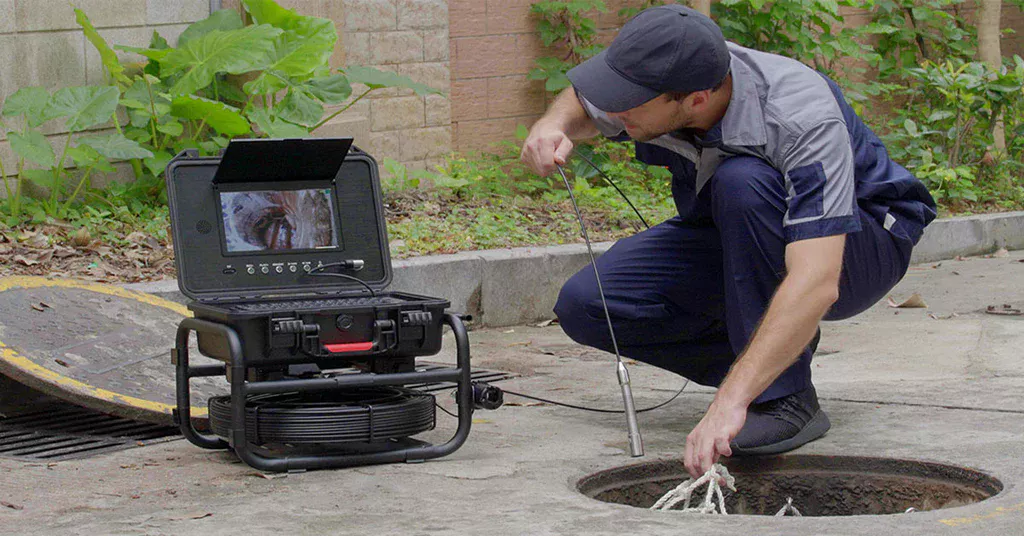
Large diameter pipe inspection systems
Industrial leak detection equipment
High capacity water extraction units
Thermal imaging and moisture mapping tools
Specialized trenching and locating systems
Access to these systems determines whether contractors can safely and effectively service industrial facilities.
Financial Impact of Entering Industrial Markets
Industrial projects typically involve larger scopes and extended timelines compared to residential or light commercial work.
| Project Level | Typical Revenue Range |
|---|---|
| Residential plumbing job | $200–$800 |
| Commercial repair | $5,000–$25,000 |
| Industrial pipe repair | $25,000–$150,000 |
| Large scale facility infrastructure project | $150,000+ |
Industrial plumbing equipment allows contractors to compete for work that dramatically increases average invoice value.
The Role of Diagnostic Precision
Industrial environments require accurate identification of system failures before repairs begin. Misdiagnosis can interrupt production and increase liability.
Industrial plumbing equipment supports:
Deep line camera inspections
Advanced leak detection
Pressure testing systems
Pipe locating for complex underground networks
Thermal imaging diagnostics
Precision reduces downtime and strengthens contractor credibility.
Risk Management in Industrial Facilities
Industrial properties carry higher financial stakes during plumbing failures. Contractors must approach projects with structured procedures and professional documentation.
Industrial plumbing equipment often supports:
Emergency stabilization
Containment of hazardous leaks
Moisture control in sensitive areas
Structured repair planning
Compliance reporting
Because The Disaster Network works alongside credentialed professionals familiar with IICRC standards and ACAC CRMR expertise, contractors receive guidance aligned with compliance driven mitigation expectations when water damage intersects with industrial operations.
Equipment Strategy for Growth Focused Contractors
Ownership of industrial plumbing equipment can require significant capital investment. Contractors expanding gradually may benefit from strategic equipment access rather than immediate purchase.
| Equipment Type | Estimated Purchase Cost |
|---|---|
| Industrial hydro jetter | $20,000–$50,000 |
| Large diameter inspection system | $15,000–$30,000 |
| Heavy duty extraction units | $5,000–$25,000 |
| Specialized trenching systems | $30,000+ |
Coordinated access to industrial plumbing equipment allows contractors to pursue industrial projects responsibly while protecting cash flow.
Production Facility and Warehouse Opportunities
Industrial plumbing equipment supports projects across multiple facility types.
Common industrial clients include:
Manufacturing plants
Food processing facilities
Distribution warehouses
Utility infrastructure sites
Energy related facilities
These clients often require scheduled inspections, preventative maintenance, and rapid emergency response capability.
Efficiency Gains Through Heavy Duty Equipment
Industrial plumbing equipment increases technician productivity on large scale systems. Advanced machinery reduces manual labor and speeds up repair timelines.
Operational advantages include:
Faster obstruction removal
More accurate failure detection
Reduced excavation time
Improved project forecasting
Lower repeat visit rates
Efficiency improvements directly affect profit margins.
Building Long Term Industrial Partnerships
Industrial clients prioritize contractors who can respond quickly and manage complex systems confidently. Successful project completion often leads to ongoing service relationships.
| Client Type | Long Term Opportunity |
|---|---|
| Manufacturing facility | Maintenance contracts |
| Warehouse operator | Scheduled inspections |
| Utility site | Infrastructure upgrades |
| Processing plant | Preventative system monitoring |
Better plumbing equipment becomes the foundation for sustained partnership growth.
Industrial Plumbing Equipment as a Business Expansion Lever
Industrial plumbing equipment defines the upper limit of a plumbing contractor’s growth potential. Companies prepared to handle heavy duty infrastructure gain access to some of the highest value work in the industry. Industrial readiness reduces competition while increasing profit opportunity.
When contractors combine industrial plumbing equipment with structured estimating, documentation readiness, and mitigation coordination, they position their businesses for long term scalability. The Disaster Network helps plumbing professionals access the operational support required to confidently pursue industrial infrastructure projects.
If your team is preparing to expand into industrial markets through advanced industrial plumbing equipment capability, contact The Disaster Network at 214-304-2119. Our office hours are Monday through Saturday, 7am to 7pm, with 24/7 emergency support available for urgent situations.