Skip to content


Insurance restoration contractors operate at the intersection of emergency response, mitigation, and structured claim documentation. When water damage, sewer backups, or plumbing failures cause property loss, insurance carriers often become involved. Contractors prepared to work within insurance systems gain access to larger project scopes, higher revenue potential, and long term commercial relationships.
Many plumbing companies repair the source of damage but stop short of participating in the broader insurance restoration process. However, the most profitable opportunities often emerge after the initial repair. Stabilization, drying, documentation, estimating, and compliance coordination follow the plumbing fix. Contractors who position themselves among insurance restoration contractors remain involved throughout the full recovery cycle.
The Disaster Network helps plumbing professionals transition into insurance related restoration work by supporting mitigation management, estimating assistance, documentation services, and equipment coordination aligned with insurance carrier expectations.
What Insurance Restoration Contractors Do
Insurance restoration contractors manage projects tied to insured property losses. Their work must align with insurance claim requirements while stabilizing and restoring damaged areas.
Core responsibilities often include:
Water extraction and drying
Damage assessment and documentation
Scope of work development
Insurance estimating
Compliance reporting
Coordination with adjusters
Structured processes ensure projects move efficiently from loss event to recovery.
Why Insurance Work Increases Project Value
Insurance supported projects typically involve larger scopes because coverage often extends beyond simple plumbing repairs.
| Project Type | Typical Revenue Range |
|---|---|
| Standard plumbing repair | $200–$800 |
| Residential water loss claim | $5,000–$20,000 |
| Multi unit insurance project | $15,000–$50,000 |
| Commercial insurance restoration | $30,000–$150,000+ |
Insurance restoration contractors frequently handle multi phase projects that include stabilization, documentation, and extended repair planning.
How Plumbing Contractors Enter Insurance Restoration
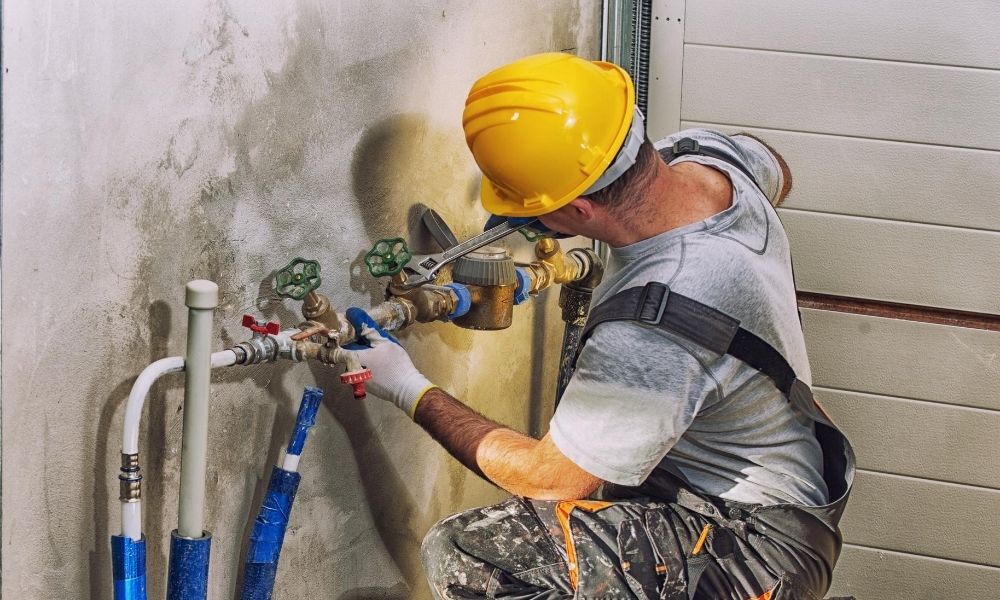
Plumbers often serve as first responders during water loss events. This position creates opportunity.
Transition steps may include:
Implementing moisture detection procedures
Accessing drying equipment
Developing structured estimating systems
Maintaining documentation standards
Learning insurance communication processes
Prepared contractors capture project phases that others refer out.
The Role of Estimating in Insurance Restoration
Insurance carriers expect detailed estimates supported by industry recognized pricing systems. Accurate estimating improves approval speed and payment reliability.
Insurance restoration contractors must provide:
Line item project scopes
Equipment allocation documentation
Labor phase breakdowns
Mitigation verification records
Clear justification of services
The Disaster Network helps contractors coordinate estimating processes that align with insurance review expectations.
Documentation and Compliance Expectations
Insurance driven projects require organized reporting. Contractors must verify drying progress, material condition, and compliance with accepted standards.
Typical documentation includes:
Moisture readings
Psychrometric reporting
Equipment logs
Photo documentation
Final drying verification
Because The Disaster Network works alongside credentialed professionals familiar with IICRC standards and ACAC CRMR expertise, contractors receive guidance aligned with compliance driven mitigation expectations.
Commercial Insurance Restoration Opportunities
Commercial properties often generate higher value insurance claims due to scale and business interruption concerns.
Examples include:
Retail flooding events
Apartment complex water losses
Industrial system failures
Mechanical room pipe bursts
Storm related interior flooding
Insurance restoration contractors prepared for commercial environments often secure recurring project opportunities.
Risk Management and Financial Stability
Insurance restoration work requires clear structure to avoid disputes and payment delays. Contractors who operate professionally reduce financial risk.
| Risk Factor | Mitigation Strategy |
|---|---|
| Underestimated scope | Structured estimating |
| Documentation gaps | Daily reporting procedures |
| Claim disputes | Compliance aligned processes |
| Payment delays | Organized project tracking |
Structured systems improve approval success.
Long Term Business Benefits
Contractors operating among insurance restoration contractors often experience:
Higher average invoice values
Improved margin stability
Stronger commercial relationships
Expanded service offerings
Greater scheduling predictability
Insurance supported work reduces dependence on unpredictable residential demand.
Insurance Restoration Contractors as a Growth Strategy
Restoration contractors operate within one of the most scalable segments of the plumbing and mitigation market. Contractors who expand into insurance driven projects increase revenue potential while building stronger client relationships.
When plumbing companies combine restoration capability with equipment access, estimating support, and compliance aligned documentation, they position themselves for long term growth. The Disaster Network helps contractors prepare for these opportunities by supporting the operational systems required to manage insurance restoration projects confidently.
If your team is ready to expand into insurance restoration contractors services and pursue higher value claims, contact The Disaster Network at 214-304-2119. Our office hours are Monday through Saturday, 7am to 7pm, with 24/7 emergency support available for urgent situations.