Skip to content

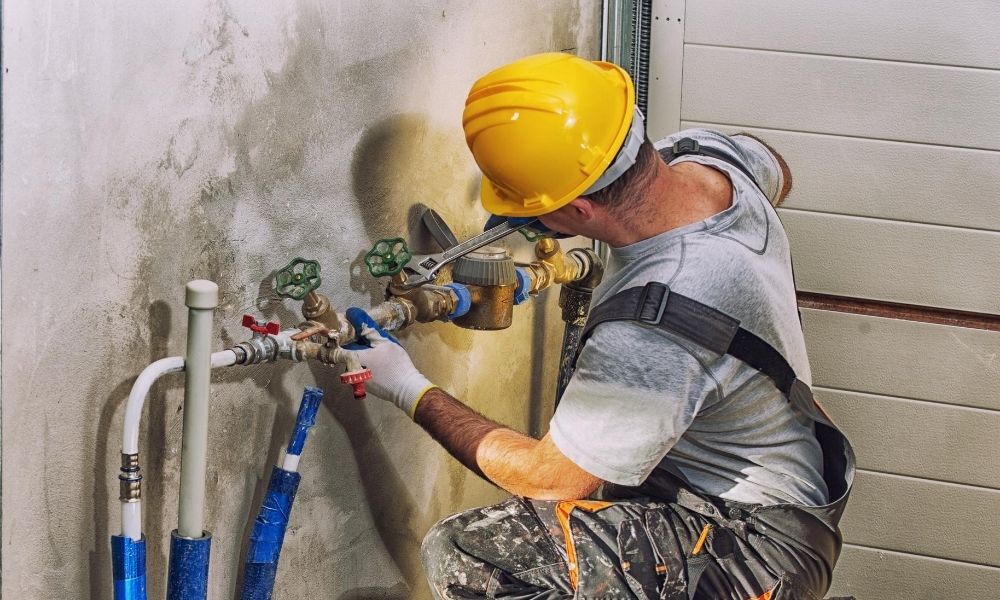
A mitigation contractor plays a critical role in stabilizing properties after water damage events. When plumbing failures cause flooding, structural moisture, or system disruption, immediate action determines whether damage spreads or remains controlled. Contractors who position themselves as a mitigation contractor move beyond basic plumbing repair and enter a higher value service category focused on stabilization, drying, documentation, and insurance coordination.
Many plumbing companies already perform the first step of mitigation by identifying and repairing the source of a leak. However, true mitigation work involves much more than stopping water flow. It requires structured response procedures, specialized equipment, environmental monitoring, and professional reporting. Contractors prepared to operate as a mitigation contractor gain access to larger projects and recurring commercial opportunities.
The Disaster Network helps plumbing professionals expand into mitigation environments by supporting equipment access, estimating assistance, documentation services, and compliance aligned project coordination. This allows contractors to pursue mitigation level work without building a full restoration company independently.
What a Mitigation Contractor Actually Does
A mitigation contractor focuses on preventing additional damage immediately after a water loss event. The goal is stabilization, not cosmetic restoration.
Mitigation responsibilities often include:
Emergency water extraction
Moisture detection and mapping
Deployment of air movers and dehumidifiers
Monitoring drying progress
Removing unsalvageable materials
Documenting environmental conditions
Effective mitigation limits structural deterioration and reduces overall claim severity.
How Plumbing Contractors Transition Into Mitigation Work
Plumbers often serve as the first professionals onsite during water emergencies. That initial presence creates opportunity.
Transition steps may include:
Adding moisture detection capability
Accessing drying equipment
Implementing documentation systems
Learning insurance reporting procedures
Developing emergency response workflows
Contractors who prepare operationally can remain involved beyond the initial repair.
Revenue Potential as a Mitigation Contractor
Mitigation projects typically generate higher revenue compared to standard plumbing repairs because they involve equipment, labor monitoring, and extended project timelines.
| Project Type | Typical Revenue Range |
|---|---|
| Basic plumbing repair | $200–$800 |
| Residential water damage stabilization | $4,000–$12,000 |
| Multi unit mitigation project | $10,000–$35,000 |
| Commercial mitigation event | $25,000–$100,000+ |
Operating as a mitigation contractor allows plumbers to increase average job value significantly.
Equipment Required for Mitigation Work
Mitigation projects require specialized equipment designed to control moisture and stabilize building materials.
Essential equipment includes:
Commercial air movers
Industrial dehumidifiers
Water extraction units
Moisture meters
Thermal imaging tools
The Disaster Network helps contractors access mitigation equipment when projects demand advanced capability, reducing the need for major upfront investment.
Documentation and Compliance Expectations
Insurance supported mitigation work requires structured reporting. Contractors must demonstrate that drying procedures align with accepted industry practices.
Mitigation contractor documentation may include:
Moisture readings and tracking
Psychrometric data reporting
Equipment usage logs
Daily progress updates
Final verification reports
Because The Disaster Network works alongside credentialed professionals familiar with IICRC standards and ACAC CRMR expertise, contractors receive guidance aligned with compliance driven mitigation expectations.
Emergency Response and Commercial Opportunities
Commercial properties depend on rapid stabilization to prevent operational disruption. Businesses often prioritize contractors capable of organized mitigation response.
Common scenarios include:
Burst commercial supply lines
Sewer backups affecting multiple tenants
Mechanical room flooding
Industrial system leaks
Storm related water intrusion
Mitigation contractors prepared for commercial environments often secure long term service agreements.
Risk Management and Business Protection
Operating as a mitigation contractor requires clear processes that protect both the property and the contractor.
Structured mitigation procedures help:
Reduce liability exposure
Prevent secondary damage
Support insurance approval
Strengthen professional credibility
Improve payment reliability
Prepared contractors reduce financial risk while increasing project value.
Scaling a Plumbing Business Through Mitigation
Mitigation contractor capability represents a significant step toward business expansion. Contractors who combine plumbing expertise with stabilization services often capture opportunities competitors decline.
| Contractor Capability | Growth Potential |
|---|---|
| Plumbing repair only | Limited |
| Repair plus extraction | Moderate |
| Full mitigation participation | High |
| Commercial mitigation readiness | Excellent |
Mitigation readiness strengthens long term scalability.
Mitigation Contractor Services as a Growth Strategy
Operating as a mitigation contractor allows plumbing businesses to increase revenue while offering comprehensive water damage response. Contractors who integrate mitigation services improve margins, build commercial relationships, and secure larger projects.
When plumbers combine mitigation contractor capability with equipment access, estimating support, and documentation coordination, they position their businesses for sustained growth. The Disaster Network helps contractors prepare for these opportunities by supporting the systems required to manage mitigation projects confidently.
If your team is ready to expand into mitigation contractor services and pursue higher value water damage projects, contact The Disaster Network at 214-304-2119. Our office hours are Monday through Saturday, 7am to 7pm, with 24/7 emergency support available for urgent situations.