Skip to content

Water damage can happen suddenly and create serious problems for homes and businesses if it is not addressed quickly. Across Texas, property owners face water damage risks from heavy storms, flooding, plumbing failures, appliance leaks, and infrastructure issues. Water damage restoration is a critical process that helps remove water, dry structures, prevent mold growth, and restore properties safely. Understanding how water damage restoration works can help property owners make faster and more informed decisions during stressful situations.
The Disaster Network helps Texans navigate water related property damage by providing education, recovery guidance, and connections to trusted restoration professionals. When water damage happens, many property owners are unsure whether they need immediate professional help or if cleanup can wait. In many cases, acting quickly is the difference between minor repairs and major structural restoration. Water damage restoration professionals use specialized tools and techniques that go far beyond basic drying or cleaning.
Water can spread through building materials quickly. Flooring, drywall, insulation, and wood framing can absorb moisture within minutes. Even when surfaces appear dry, moisture can remain trapped inside walls and under flooring. This hidden moisture is one of the main reasons water damage restoration is so important after any water exposure event.
Common Causes of Water Damage Across Texas
Texas weather patterns and infrastructure challenges create several common sources of water damage. Severe storms can drop large amounts of rain in a short period of time. Aging plumbing systems can fail without warning. Even newer homes can experience water damage from appliance failures or drainage issues.
Common water damage causes include:
Severe rain and storm flooding
Burst pipes and plumbing leaks
Water heater failures
Roof leaks after storms
Air conditioning drainage failures
Foundation water intrusion during heavy rain
Even small water events can create large problems if moisture spreads into structural materials. This is why many property owners begin researching water damage restoration as soon as water exposure is discovered.
Why Water Damage Restoration Must Happen Quickly
Time is one of the most important factors in water damage recovery. The longer water remains inside a structure, the more damage it can cause. Materials begin breaking down as moisture weakens adhesives, drywall cores, and wood fibers. In addition, mold growth can begin developing within 24 to 48 hours in the right conditions.
Water damage restoration professionals focus on rapid water removal and controlled drying to prevent these problems. Professional drying equipment removes moisture from both visible surfaces and hidden structural areas. Without professional drying, moisture can remain inside materials even after surfaces feel dry.
The Disaster Network helps property owners understand why immediate action is important and helps connect them to restoration professionals who can respond quickly after water damage events.
What Water Damage Restoration Actually Includes
Many property owners assume water damage restoration only involves removing standing water. In reality, the process is much more detailed and involves several stages designed to protect the structure and indoor environment.
Water damage restoration typically includes:
Emergency water extraction
Moisture detection and mapping
Structural drying using specialized equipment
Dehumidification to remove airborne moisture
Sanitation and contaminant removal
Material removal when damage is severe
Restoration and repair coordination
Each stage is important to ensure the property is fully dried and safe for occupancy. Skipping steps or relying only on surface drying can lead to long term structural damage and mold problems.
Hidden Damage That Water Can Cause
Water damage is not always obvious. Moisture can travel through building materials and collect in hidden areas. Many property owners do not realize how much water can spread behind walls or under flooring until damage becomes visible weeks later.
Hidden water damage can lead to:
Mold growth inside walls
Rotting wood framing
Weakening subfloor materials
Electrical system damage
Indoor air quality problems
Water damage restoration professionals use moisture detection tools to locate hidden water and ensure full drying is completed.
How The Disaster Network Helps Property Owners
The Disaster Network serves as a Texas focused disaster recovery resource that helps property owners connect with qualified restoration contractors and understand the recovery process. Instead of trying to coordinate multiple services during an emergency, property owners can access guidance that helps simplify recovery decisions.
Water damage restoration often requires coordination between multiple professionals. Property owners may need water extraction specialists, mold remediation teams, structural repair contractors, and reconstruction services depending on the severity of the damage. The Disaster Network helps property owners understand what services may be needed and helps connect them with professionals who understand disaster recovery timelines.
In addition to contractor connections, The Disaster Network helps property owners understand documentation requirements, inspection expectations, and recovery planning steps that can reduce delays and confusion during the restoration process.
Financial Impact of Water Damage
Water damage restoration costs can vary widely depending on how quickly restoration begins and how far moisture spreads. Acting quickly can significantly reduce repair costs and prevent structural damage from spreading.
Factors that affect restoration costs include:
Amount of water exposure
Type of water contamination
Length of time materials remain wet
Structural material damage level
Mold development risk
Property owners who begin restoration quickly often see lower overall repair costs and shorter recovery timelines.
Water Damage and Flooding Risks in Texas
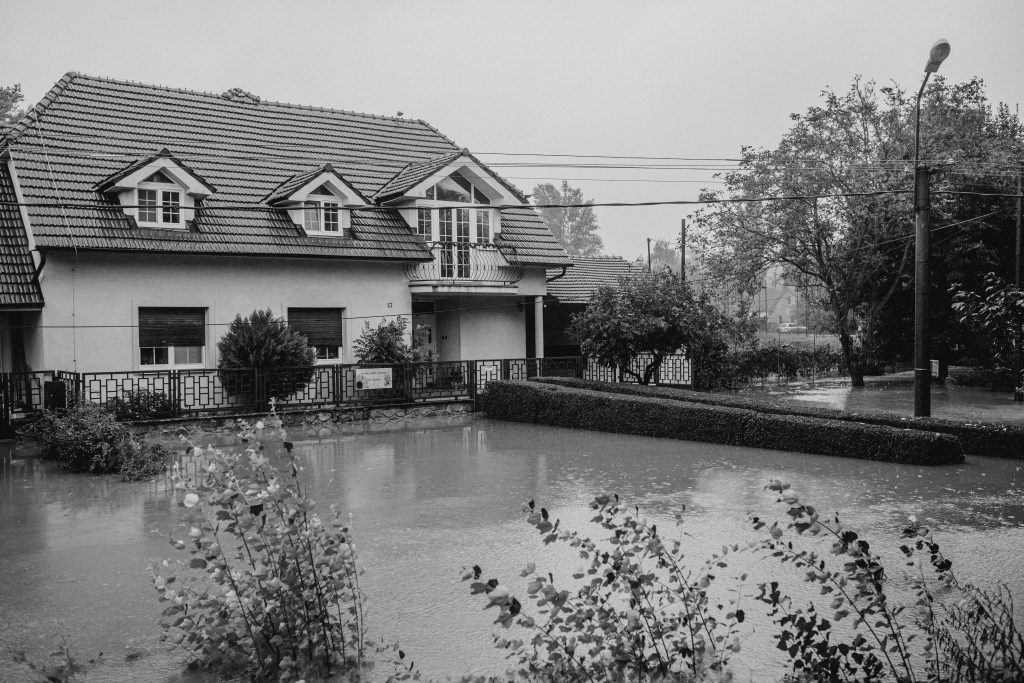
While water damage can happen from many sources, flooding remains one of the most serious risks across Texas. Flash flooding and severe storms can push water into homes quickly, creating complex restoration challenges. Floodwater often contains contaminants and debris, which increases the need for professional sanitation and drying.
The Disaster Network helps Texans understand how flood damage differs from standard water damage and why professional restoration is especially important after flood events. Flood recovery often requires additional inspection and sanitation steps to ensure the property is safe for reentry.
When Water Damage Restoration Becomes More Complex
Some water damage events require extended recovery planning. Severe water exposure can damage structural components, electrical systems, and foundation materials. In these situations, restoration may involve structural inspection and reconstruction planning.
Complex water damage situations may include:
Foundation moisture damage
Electrical system exposure
Full flooring replacement
Drywall and insulation removal
Long term moisture monitoring
The Disaster Network helps property owners understand when advanced restoration and repair services may be needed beyond initial drying.
Preparing for Future Water Damage Risks
While not all water damage can be prevented, preparation can reduce risk and limit damage severity. Property owners across Texas are taking steps to improve drainage systems, maintain roofing, and monitor plumbing systems more closely.
Preparation strategies include:
Routine plumbing inspections
Roof maintenance and repair
Proper drainage system maintenance
Understanding local flood risk areas
Keeping documentation and emergency contacts ready
Knowing where to find restoration help before an emergency can save time and reduce stress when water damage occurs.
Moving Forward After Water Damage
Water damage can be overwhelming, but recovery is possible with the right information and professional support. Acting quickly and working with experienced restoration professionals can reduce long term damage and help properties recover faster.
The Disaster Network helps Texans move forward after water damage by providing trusted information and helping connect property owners with qualified professionals. Water damage restoration is not just about removing water. It is about protecting property value, structural safety, and indoor health.
Property owners who understand the restoration process are better prepared to make fast and confident decisions during water damage emergencies. With the right support and professional services, homes and businesses can recover safely and efficiently after water damage events.